The Dynamics of Adding New Herd Members: Understanding the Social Side of Livestock
- luckydoublelcattle
- Jul 7
- 4 min read

There is an exciting moment every rancher knows well—the trailer pulls into the driveway, and inside are the newest additions to the herd. Months of planning, researching bloodlines, and preparing pastures have finally come together.
But while we may see opportunity, the herd sees something entirely different.
To them, strangers have arrived.
Every herd, whether it's Highland cattle, horses, sheep, goats, or even poultry, operates within a social hierarchy. That hierarchy influences who eats first, who leads the group, who watches for danger, and where each animal feels safest. When a new animal enters that system, the entire group must reorganize.
Understanding this natural process allows us to support our livestock while reducing unnecessary stress and injury.
Every Herd Has a Social Order
People often refer to it as the "pecking order," but social hierarchies exist across nearly every livestock species.
Within cattle, dominant animals often control access to feed, water, shade, and preferred resting areas. Older cows typically outrank younger animals, while confident individuals often rise naturally within the herd.
Horses establish leadership through body language and movement. Sheep tend to follow experienced ewes, while goats often sort out dominance through playful—but sometimes forceful—headbutting.
This hierarchy isn't about aggression for aggression's sake. It creates stability.
Once everyone understands their place, conflict usually decreases.
Why New Animals Cause Disruption
Imagine walking into a room where everyone knows each other except you.
Now imagine no one speaks your language.
That is essentially what a newly introduced animal experiences.
The resident herd doesn't know whether the newcomer poses a threat, competes for resources, or carries disease. The new animal, meanwhile, is learning unfamiliar surroundings while attempting to interpret dozens of social cues.
This uncertainty often leads to:
Chasing
Posturing
Head tossing
Pushing
Mounting behavior
Vocalization
Temporary separation from the group
Although it can appear alarming, much of this behavior is normal communication.
Not Every Fight Is a Problem
One of the hardest lessons for new livestock owners is learning when to intervene—and when not to.
Healthy animals establish boundaries through controlled interactions.
You may see:
A cow lowering her head to move another away.
Horses pinning their ears before one steps aside.
Sheep gently butting heads.
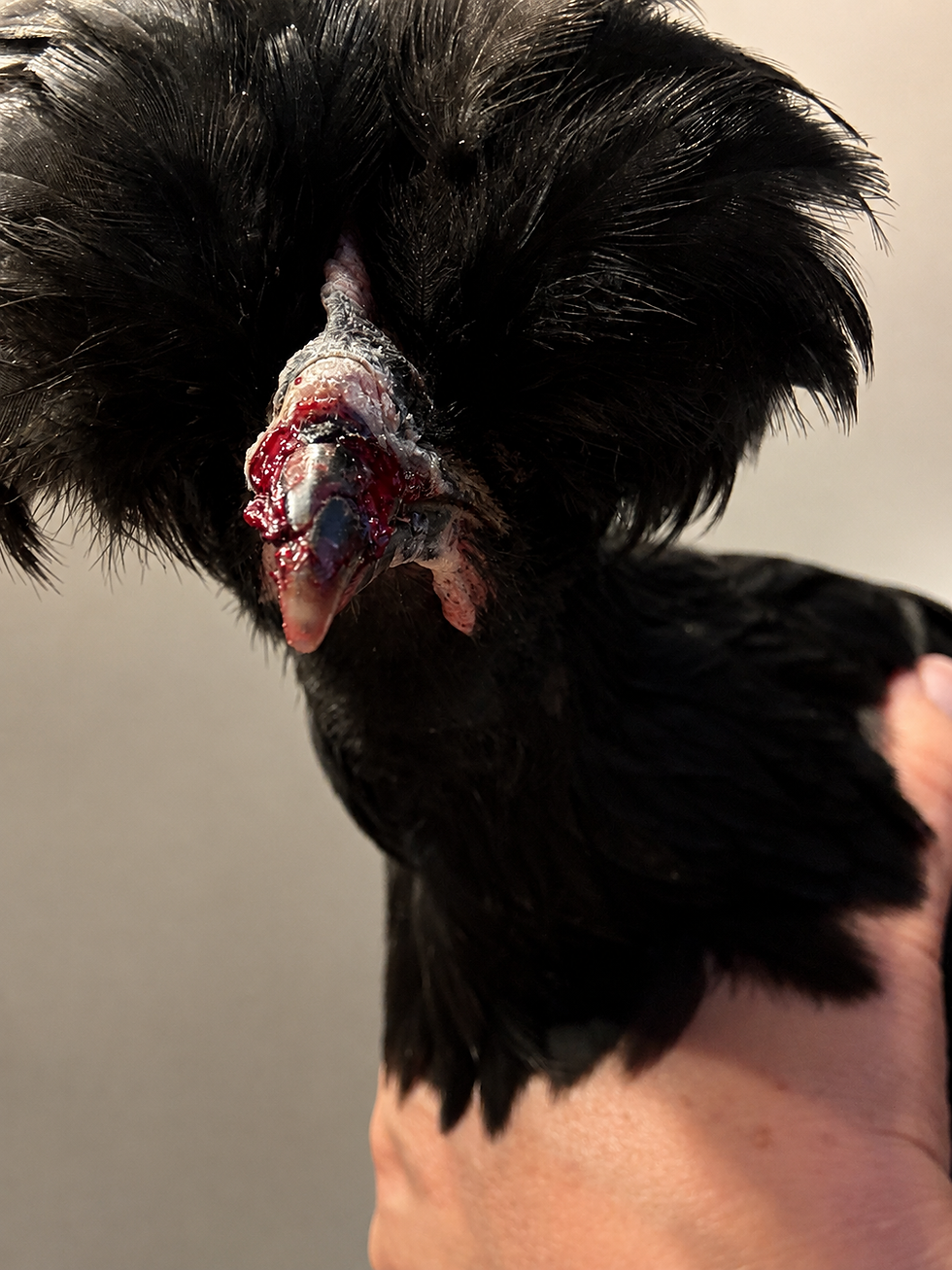
Chickens reminding newcomers where they stand.
These behaviors usually resolve quickly.
Intervening too early can actually prolong the adjustment period by preventing animals from naturally establishing their relationships.
However, intervention becomes necessary when aggression escalates into repeated attacks, severe injuries, relentless bullying, or when one animal is unable to safely access food or water.
Quarantine Comes Before Friendship
Before introductions even begin, every new animal should spend time in quarantine.
Quarantine protects your existing herd from diseases and parasites that may not be immediately visible.
During this period, monitor:
Appetite
Body condition
Respiratory signs
Manure consistency
Hoof health
External parasites
Overall behavior
Consult your veterinarian about appropriate vaccinations, parasite control, and health testing based on your species and region.
A few weeks of patience can prevent months of problems.
Slow Introductions Reduce Stress
Whenever possible, avoid unloading new animals directly into the main pasture.
Instead, allow both groups to see and smell each other across a secure fence.
This period lets everyone become familiar without the risk of physical conflict.
Once curiosity begins replacing anxiety, supervised introductions can begin in a larger space where animals have room to move away from one another.
Avoid introducing livestock in confined pens where escape is limited.
Resources Matter More Than Numbers
Competition increases when resources are limited.
Provide multiple:
Feed stations
Water sources
Mineral feeders
Shade areas
Shelter entrances
If every animal has easy access to necessities, there is less reason to compete.
Many conflicts that appear behavioral are actually resource-related.
Watch the Quiet Ones
Dominant animals usually get our attention.
The quieter animals deserve just as much observation.
Some newcomers won't fight for their place. Instead, they quietly avoid conflict by standing alone or waiting until everyone else finishes eating.
These animals can lose weight surprisingly quickly if they consistently miss meals.
Spend time watching your herd after feeding to ensure every animal has equal opportunity to eat.
Patience Is Part of Good Stockmanship
Some herds settle within a day.
Others may take several weeks before everyone relaxes.
Age, temperament, previous experiences, herd size, available space, and even weather all influence how quickly animals adjust.
There is no perfect timeline.
The goal isn't to eliminate every disagreement—it's to ensure animals can safely establish a stable social structure.
Building Trust Alongside the Herd
Adding new livestock isn't only about integrating animals with each other.
It's also an opportunity to build trust with them.
Move quietly.
Handle animals consistently.
Avoid unnecessary pressure.
Allow them time to observe their surroundings and learn your routines.
Animals that feel secure often integrate more smoothly because they are experiencing less overall stress.
Good Ranching Means Understanding Behavior
One of the greatest skills a stockman or stockwoman can develop isn't force—it's observation.
Learning to read body language, recognize stress, and understand normal herd behavior allows us to make better management decisions while improving animal welfare.
At Lucky Double L Cattle Company, we believe successful ranching is built on patience, respect, and understanding the animals entrusted to our care. Every new herd member brings fresh genetics, new possibilities, and another chapter to the story of the ranch. By allowing nature to work alongside thoughtful management, we help our herds become stronger, healthier, and more resilient together.


Comments