Poultry Diseases Every Homesteader Should Know
- luckydoublelcattle
- Jul 7
- 4 min read
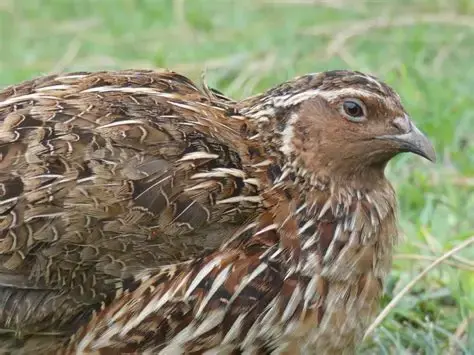
There is nothing quite like stepping outside in the morning to hear the sounds of a healthy flock. Chickens scratching through the grass, ducks splashing in water, guinea fowl sounding the alarm, and quail chirping in their pens all become part of the rhythm of a homestead.
Unfortunately, raising poultry also means accepting responsibility for their health. Even the most experienced poultry keepers eventually encounter illness. The difference between losing one bird and losing an entire flock often comes down to recognizing problems early and responding quickly.
At Lucky Double L Cattle Company, we believe prevention is always better than treatment.
Healthy Birds Rarely Become Sick Overnight
One of the biggest misconceptions is that poultry diseases appear suddenly. In reality, most birds begin showing subtle signs long before they become critically ill.
Spend a few minutes every day simply watching your flock.
Ask yourself:
Is everyone eating?
Is anyone standing alone?
Are feathers smooth and clean?
Are combs bright and healthy?
Is everyone moving normally?
Has egg production suddenly dropped?
Knowing what is normal for your flock is your greatest diagnostic tool.
Common Poultry Diseases
Coccidiosis
Coccidiosis is one of the most common diseases affecting young poultry. It is caused by microscopic parasites that damage the intestinal lining.
Signs include:
Bloody or watery droppings
Weakness
Fluffed feathers
Poor growth
Loss of appetite
Young chicks are especially susceptible during periods of stress.
Good sanitation, dry bedding, and avoiding overcrowding dramatically reduce outbreaks.
Marek's Disease
Marek's Disease is caused by a virus that attacks nerves and can lead to paralysis.
Symptoms may include:
One leg stretched forward and one backward
Weight loss
Weakness
Blindness
Sudden death
There is no treatment once birds become infected.
Vaccinating day-old chicks is the most effective prevention.
Infectious Bronchitis
This highly contagious respiratory virus spreads rapidly through flocks.
Common signs include:
Sneezing
Coughing
Nasal discharge
Watery eyes
Reduced egg production
Misshapen eggs
Even birds that recover may produce fewer eggs for weeks.
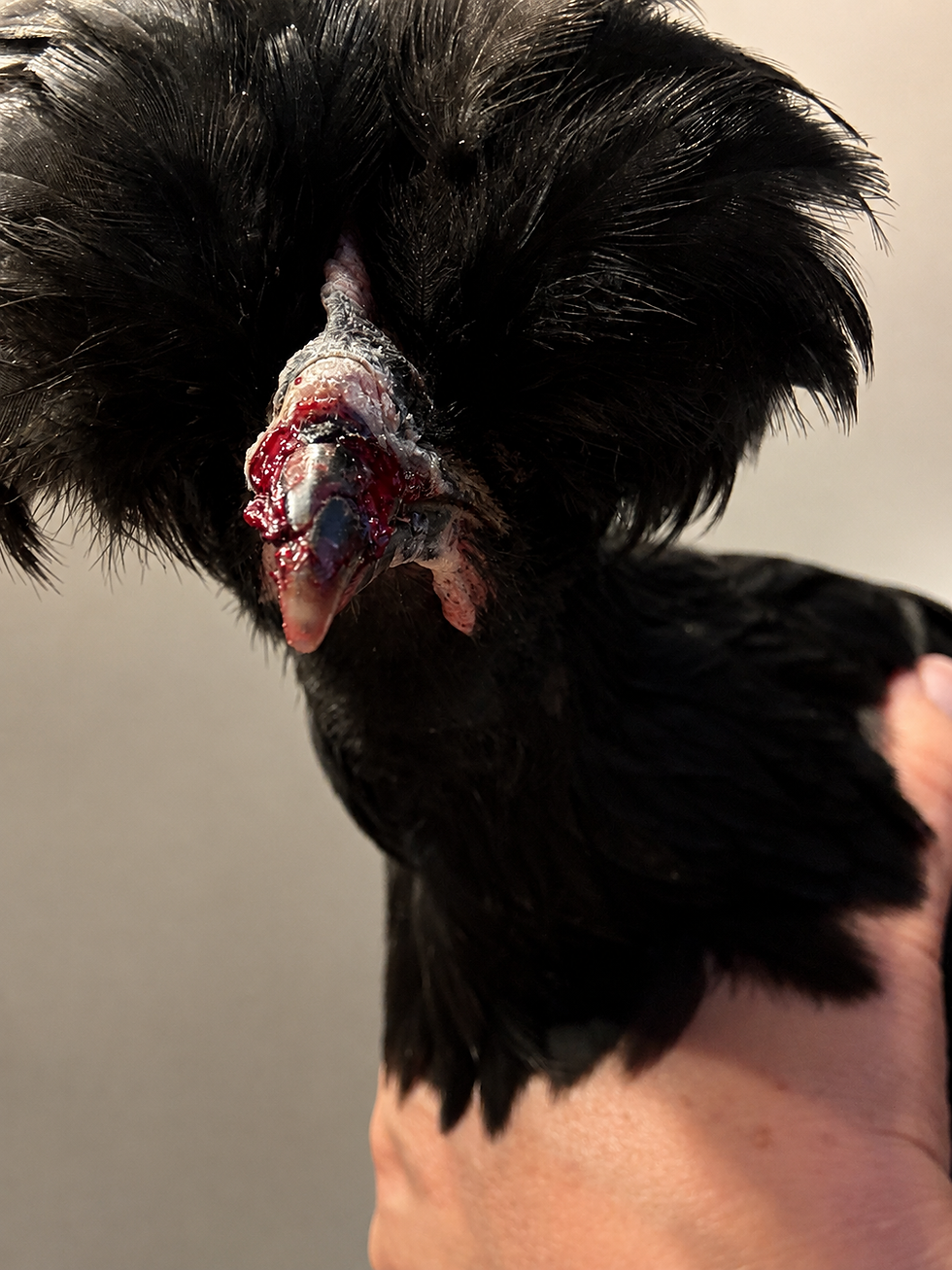
Fowl Pox
Fowl pox spreads through mosquitoes or direct contact.
There are two forms:
Dry Form
Wart-like scabs on combs and wattles
Wet Form
Lesions inside the mouth and throat
Difficulty eating and breathing
Mosquito control is an important part of prevention.
Infectious Coryza
Coryza is a bacterial respiratory disease.
Symptoms include:
Facial swelling
Thick nasal discharge
Swollen eyes
Foul-smelling odor
Difficulty breathing
Affected birds often become lifelong carriers.
Avian Influenza
Avian influenza receives a great deal of attention because it can spread rapidly through commercial and backyard flocks.
Signs may include:
Sudden death
Purple combs
Swollen head
Respiratory distress
Severe drop in egg production
If avian influenza is suspected, contact your veterinarian or state animal health officials immediately.
External Parasites
Not every poultry problem is caused by bacteria or viruses.
External parasites include:
Northern fowl mites
Chicken mites
Lice
Sticktight fleas
Watch for:
Feather loss
Constant scratching
Pale combs
Reduced egg production
Restlessness, especially at night
Routine coop cleaning and regular health checks help catch infestations early.
Internal Parasites
Worms can slowly rob birds of nutrition without obvious signs.
Common internal parasites include:
Roundworms
Cecal worms
Capillary worms
Tapeworms
Symptoms may include:
Weight loss
Pale combs
Poor egg production
Diarrhea
Thin body condition
Work with your veterinarian before implementing a deworming program.
Biosecurity Matters
Many diseases never need to reach your flock if good biosecurity becomes routine.
Simple habits make an enormous difference:
Quarantine new birds for at least 30 days.
Clean feeders and waterers regularly.
Keep bedding dry.
Prevent wild birds from accessing feed.
Limit visitors inside poultry areas.
Wash hands before and after handling birds.
Clean boots and equipment between flocks.
Remove sick birds immediately for observation.
Disease prevention starts long before a bird becomes ill.
Nutrition Builds Immunity
Healthy birds are naturally more resistant to disease.
Provide:
High-quality feed appropriate for each species and age
Clean, fresh water every day
Adequate protein
Vitamins and minerals
Plenty of space
Protection from extreme weather
Reduced stress whenever possible
Good nutrition supports the immune system far better than trying to fix problems after they begin.
When Should You Call a Veterinarian?
Some illnesses require professional diagnosis.
Seek veterinary guidance if you notice:
Multiple birds becoming sick quickly
High mortality
Neurological signs
Severe respiratory disease
Bloody diarrhea
Birds refusing food for more than 24 hours
Any disease you cannot confidently identify
Early diagnosis often saves the remainder of the flock.
Raising Healthy Birds Starts With Observation
The healthiest poultry keepers are not necessarily those with the most medications on the shelf. They are the ones who know their birds.
A few minutes of observation each morning and evening allows you to notice the hen that stayed on the roost, the duck that isn't interested in breakfast, or the quail that suddenly appears fluffed up.
Those small observations often make the biggest difference.
At Lucky Double L Cattle Company, we believe healthy poultry begins with thoughtful husbandry, clean living conditions, quality nutrition, and respect for the animals entrusted to our care. Disease can never be eliminated entirely, but with knowledge, preparation, and good management, your flock can thrive for years to come.
American Association of Avian Pathologists. (n.d.). Educational resources for poultry health. https://aaap.memberclicks.net/
Sato, Y. (2025). Common infectious diseases in backyard poultry. In Merck Veterinary Manual. Merck & Co., Inc. https://www.merckvetmanual.com/exotic-and-laboratory-animals/backyard-poultry/common-infectious-diseases-in-backyard-poultry
Sato, Y. (2024). Management of backyard poultry. In Merck Veterinary Manual. Merck & Co., Inc. https://www.merckvetmanual.com/exotic-and-laboratory-animals/backyard-poultry/management-of-backyard-poultry
Sato, Y. (2024). Vaccination of backyard poultry. In Merck Veterinary Manual. Merck & Co., Inc. https://www.merckvetmanual.com/exotic-and-laboratory-animals/backyard-poultry/vaccination-of-backyard-poultry
United States Department of Agriculture Animal and Plant Health Inspection Service. (2026). Livestock and poultry diseases. https://www.aphis.usda.gov/livestock-poultry-disease
University of Minnesota Extension – Poultry Resources
University of Minnesota Extension. (n.d.). Backyard poultry resources. https://extension.umn.edu/poultry
Cornell University College of Veterinary Medicine. (n.d.). Animal Health Diagnostic Center. https://www.vet.cornell.edu/animal-health-diagnostic-center


Comments