Building Skills for Self-Reliance When Things Go Wrong
- luckydoublelcattle
- Jun 16
- 3 min read

Modern life is incredibly convenient. With a few taps on a phone, we can order groceries, pay bills, access information, and connect with people around the world. But convenience can also create dependence. When systems fail—whether from severe weather, economic hardship, supply chain disruptions, or other emergencies—many people realize just how reliant they have become on outside resources.
The good news is that self-reliance is a skill set that can be learned. Long before modern conveniences existed, families survived and thrived by developing practical abilities that allowed them to meet many of their own needs. Those skills remain just as valuable today.
The goal isn't to live in fear or expect disaster around every corner. The goal is to build confidence, resilience, and independence so that when challenges arise, you are better prepared to adapt.
Food Production
One of the most important self-reliance skills is learning how to produce food.
Even a small garden can provide valuable experience in growing vegetables, understanding soil health, managing pests, and preserving harvests. Raising chickens for eggs, growing herbs, or planting fruit trees can further reduce dependence on outside food sources.
Food production teaches patience, planning, and problem-solving. It also creates a deeper appreciation for the work required to put food on the table.
Food Preservation
Growing food is only part of the equation. Learning how to preserve it is equally important.
Skills such as canning, dehydrating, freeze-drying, fermenting, and freezing allow families to store food for months or even years. These methods help reduce waste and create a reserve of nutritious food that can be used during emergencies or lean seasons.
A well-stocked pantry is built gradually, one jar and one harvest at a time.
Water Security
Water is often overlooked until it becomes unavailable.
Learning how to store water safely, collect rainwater where legal, maintain wells, and use water purification methods can significantly improve preparedness. Understanding how much water your family and livestock require is an important part of emergency planning.
Clean water is not just a convenience—it is a necessity.
Basic Animal Care
For those with livestock, learning animal husbandry skills can provide both food security and valuable experience.
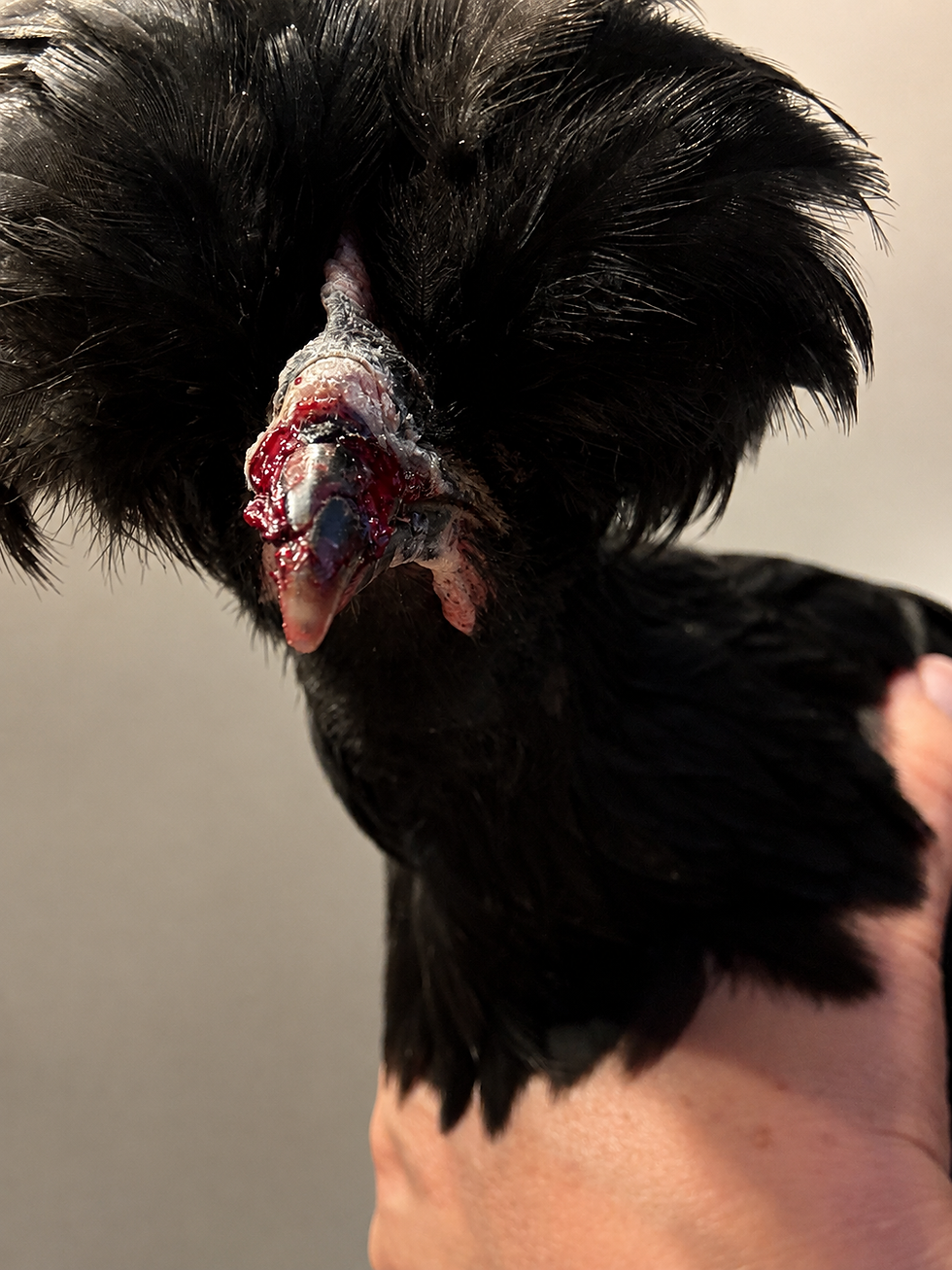
Knowing how to recognize illness, provide preventative care, manage nutrition, and maintain healthy living conditions helps ensure that animals remain productive and healthy.
Animals can be a tremendous asset, but only when their care is understood and prioritized.
Mechanical and Repair Skills
Many people rely on professionals for even minor repairs. Developing basic mechanical abilities can save money and improve resilience.
Learning how to repair fences, maintain tools, troubleshoot equipment, patch plumbing leaks, sharpen blades, and perform routine maintenance helps reduce dependence on outside services.
Every skill learned becomes another problem you can solve yourself.
First Aid and Emergency Response
Medical emergencies don't always happen close to a hospital.
Basic first aid, CPR, wound care, and emergency preparedness training can make a significant difference during critical situations. Every household benefits from having medical supplies, emergency plans, and family members who know how to respond when help may be delayed.
Knowledge is often the most valuable tool in an emergency.
Financial Preparedness
Self-reliance also includes financial resilience.
Reducing debt, maintaining an emergency fund, living below your means, and learning to distinguish wants from needs can provide stability during uncertain times.
Financial independence creates options and reduces vulnerability when circumstances change unexpectedly.
Community Matters
True self-reliance does not mean isolation.
Historically, strong communities were often the key to survival during difficult times. Neighbors shared knowledge, tools, labor, and resources. Building relationships with trustworthy people in your community remains one of the most valuable forms of preparedness.
A network of capable individuals is often stronger than any stockpile.
Start Small and Build Over Time
The journey toward greater independence doesn't happen overnight.
Learn one skill. Plant one garden bed. Preserve one batch of food. Repair one item instead of replacing it. Take one class. Read one book.
Over time, those small efforts compound into valuable experience and confidence.
When challenges arise—and they inevitably will—the people who have invested in practical skills often find themselves better equipped to adapt. Not because they predicted every problem, but because they developed the ability to solve them.
Self-reliance isn't about fear of the future. It's about stewardship, responsibility, and the satisfaction that comes from knowing you can provide for yourself and your family when life doesn't go according to plan.


Comments